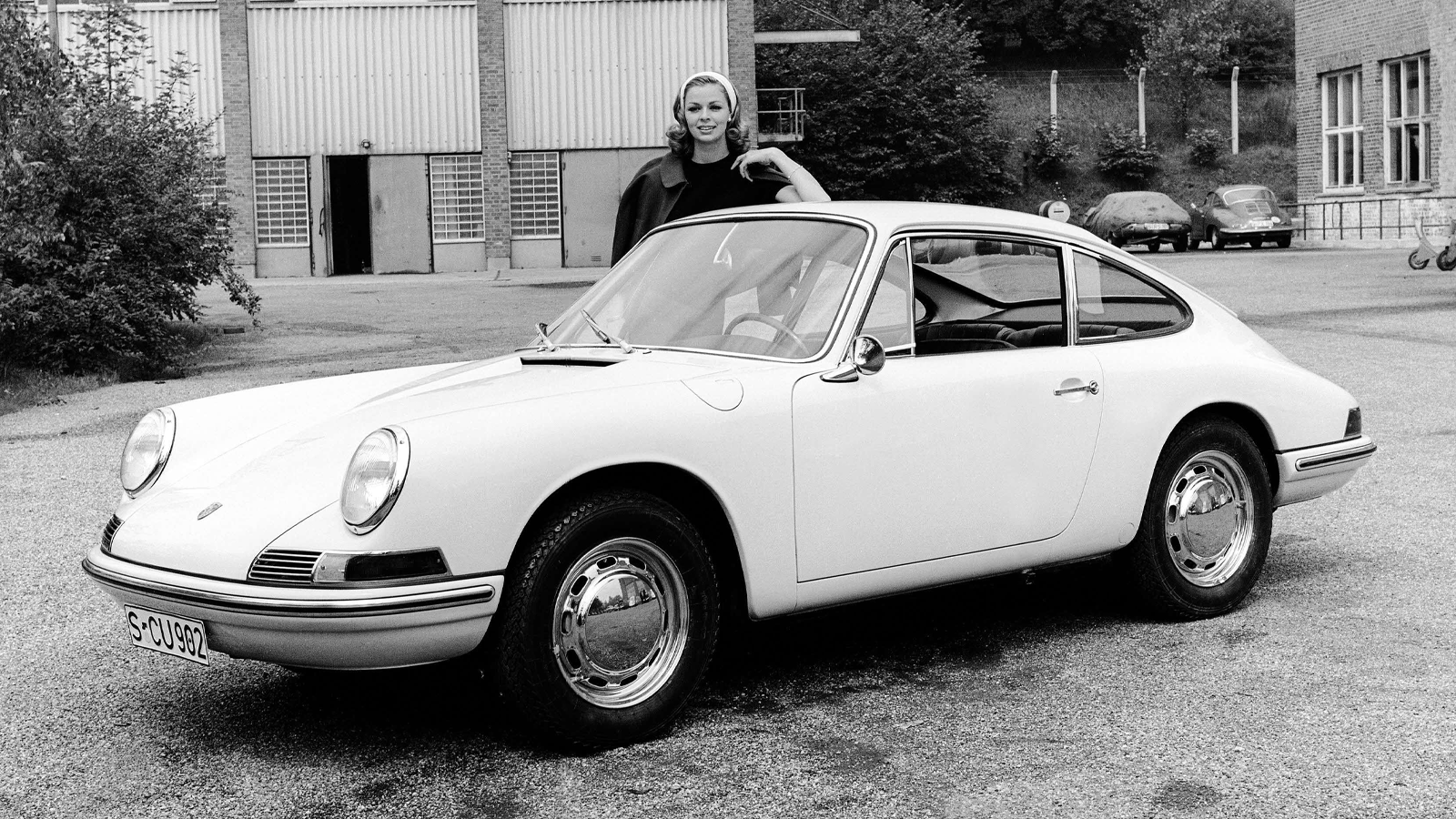
Before the 911 became Porsche’s identity, a very different lineup laid the foundation, lighter, simpler, and often more race-focused.
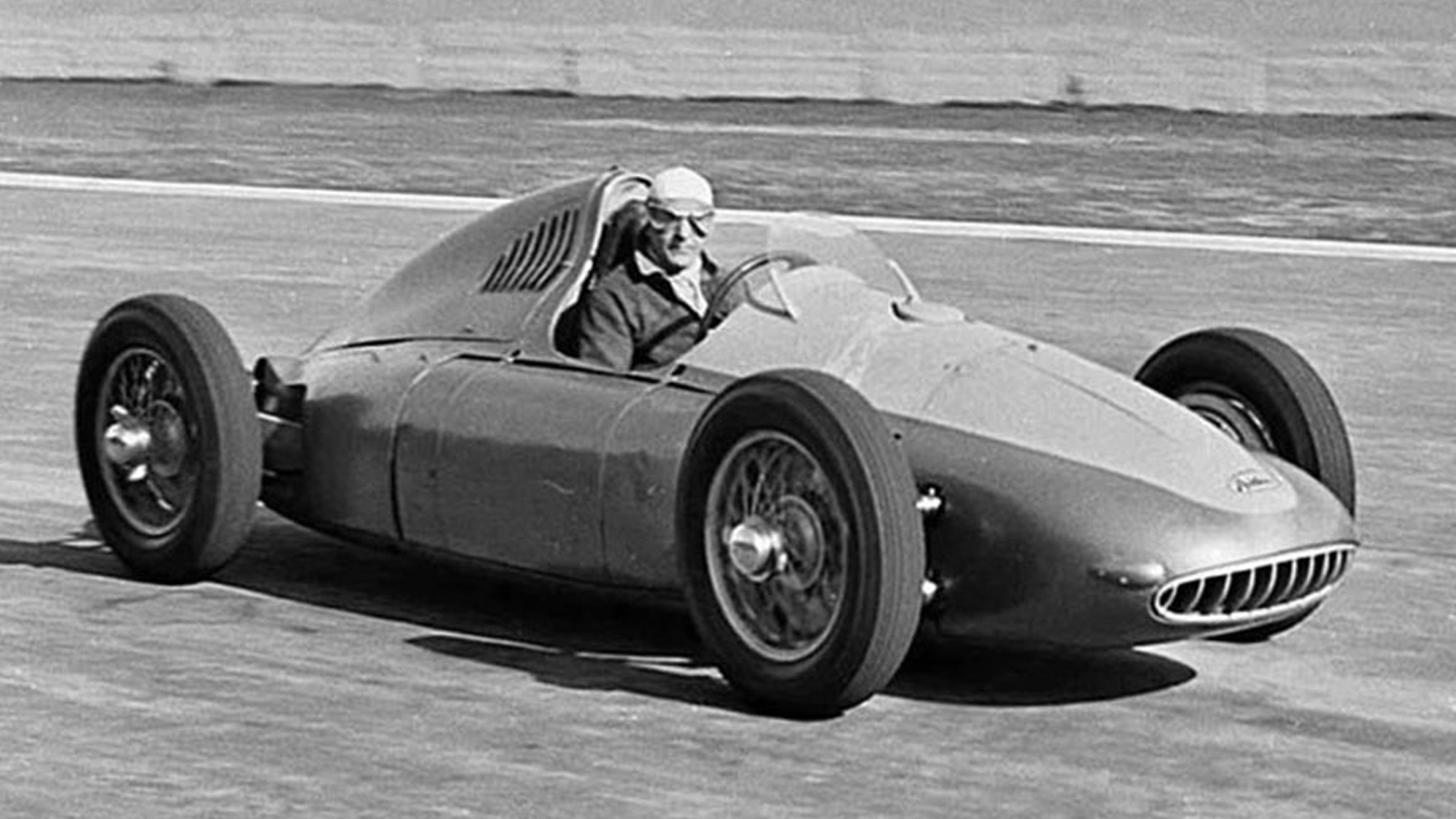
8. Porsche 360 Cisitalia (1947–1949)
Designed under Ferdinand Porsche’s supervision, this mid-engine, supercharged flat-12 Grand Prix car was wildly advanced and wildly impractical. It never raced competitively. It proved Porsche was thinking far ahead of the industry, even when execution lagged behind ambition.
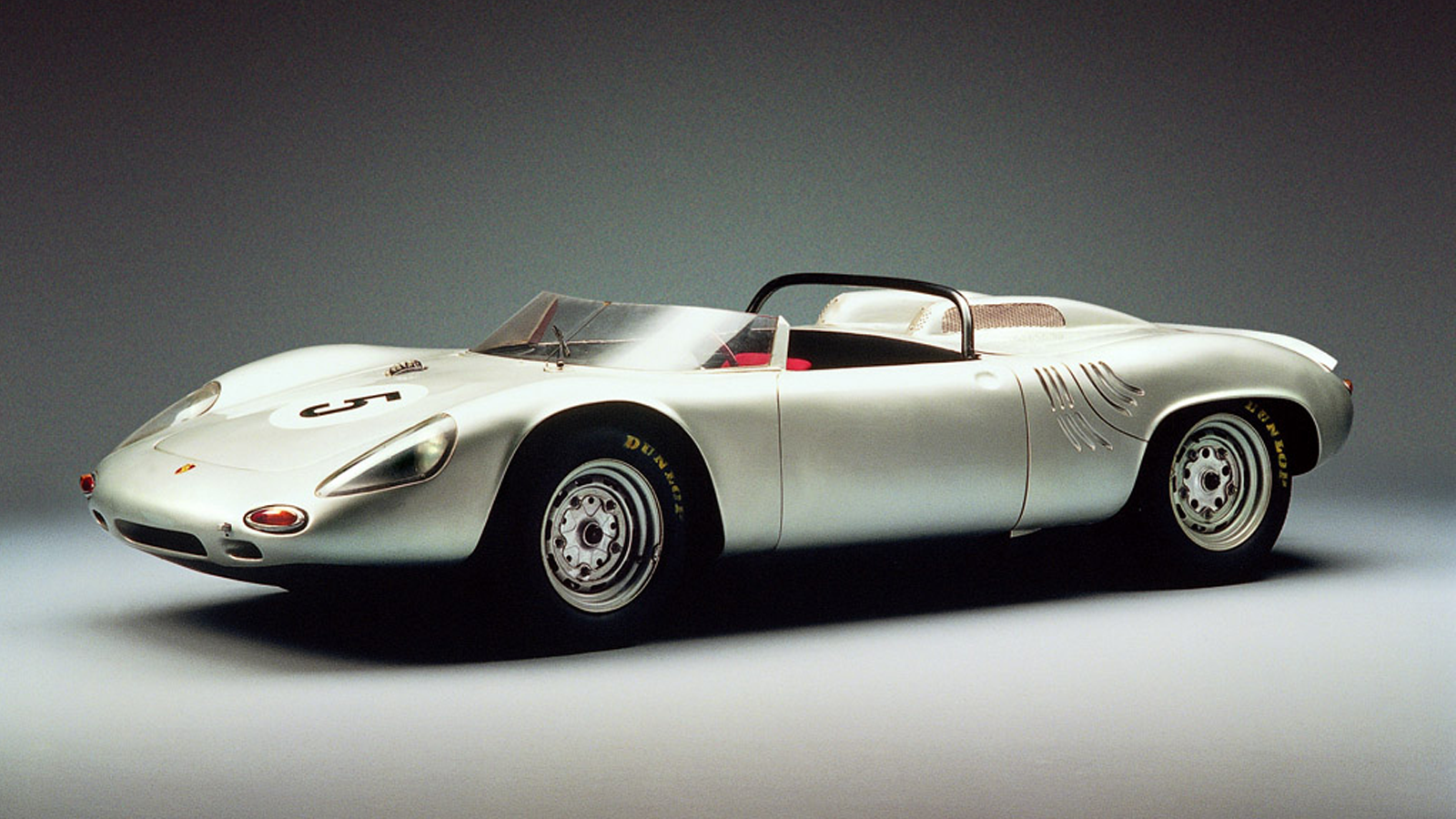
7. Porsche 718 W-RS Spyder (1961)
One of Porsche’s more obscure race cars, the W-RS combined a lightweight chassis with a flat-eight engine producing around 240 hp. It showed Porsche pushing displacement and cylinder count limits long before emissions or cost controls entered the picture.
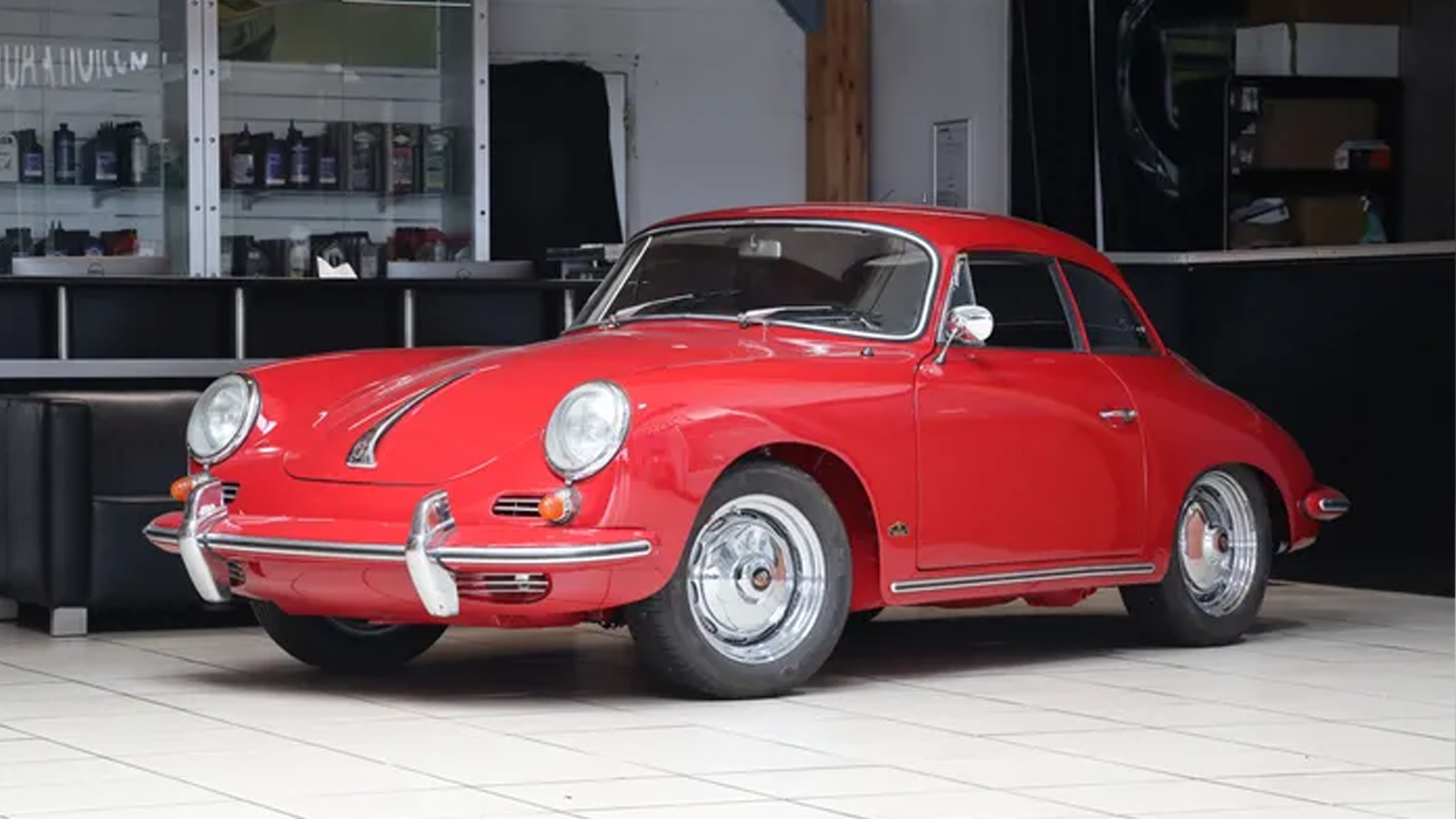
6. Porsche 356 BT6 Coupe (1959–1963)
Often overlooked, these later 356s benefited from incremental improvements in suspension, braking, and engine refinement. Power rose modestly, but drivability improved dramatically. This was Porsche learning how to evolve a platform without breaking it, a skill the 911 would later depend on.
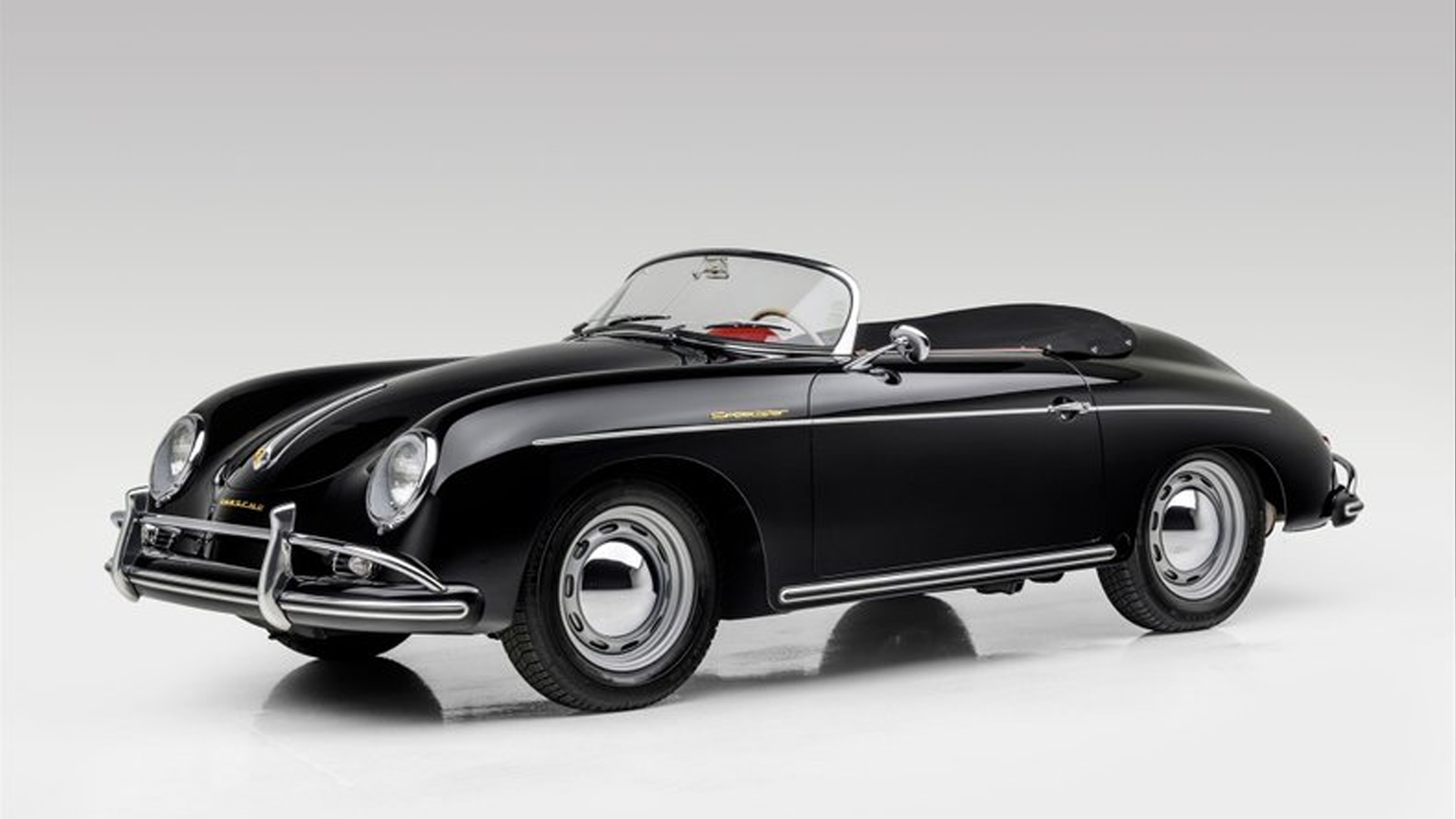
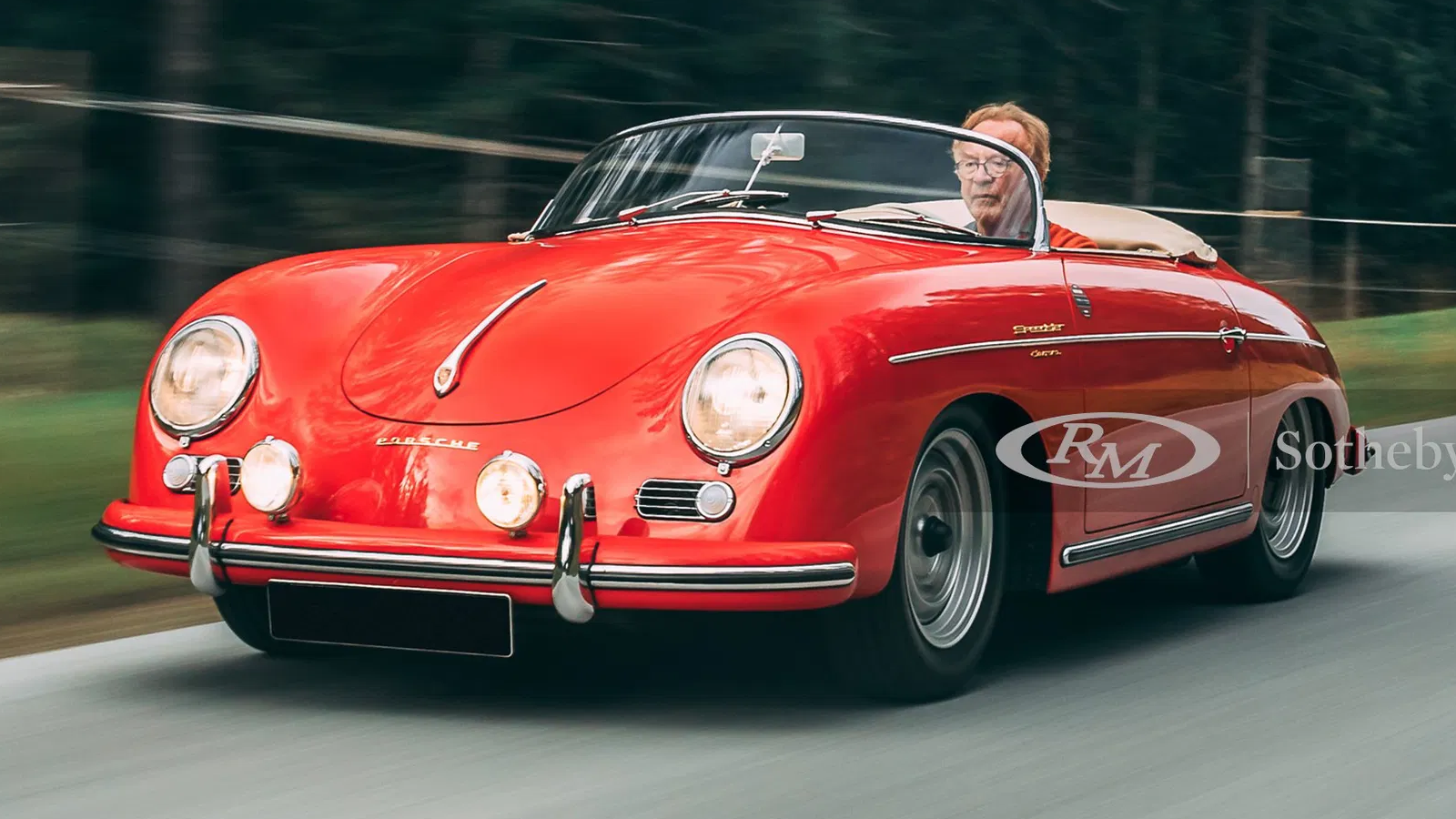
5. Porsche 356 Speedster (1954–1958)
Minimalist to the point of absurdity, the Speedster ditched comfort in favor of weight savings and affordability. Power hovered around 70 hp, but the car’s low mass and direct steering made it a driver favorite. It helped cement Porsche’s reputation in the U.S., especially among amateur racers and weekend track junkies.
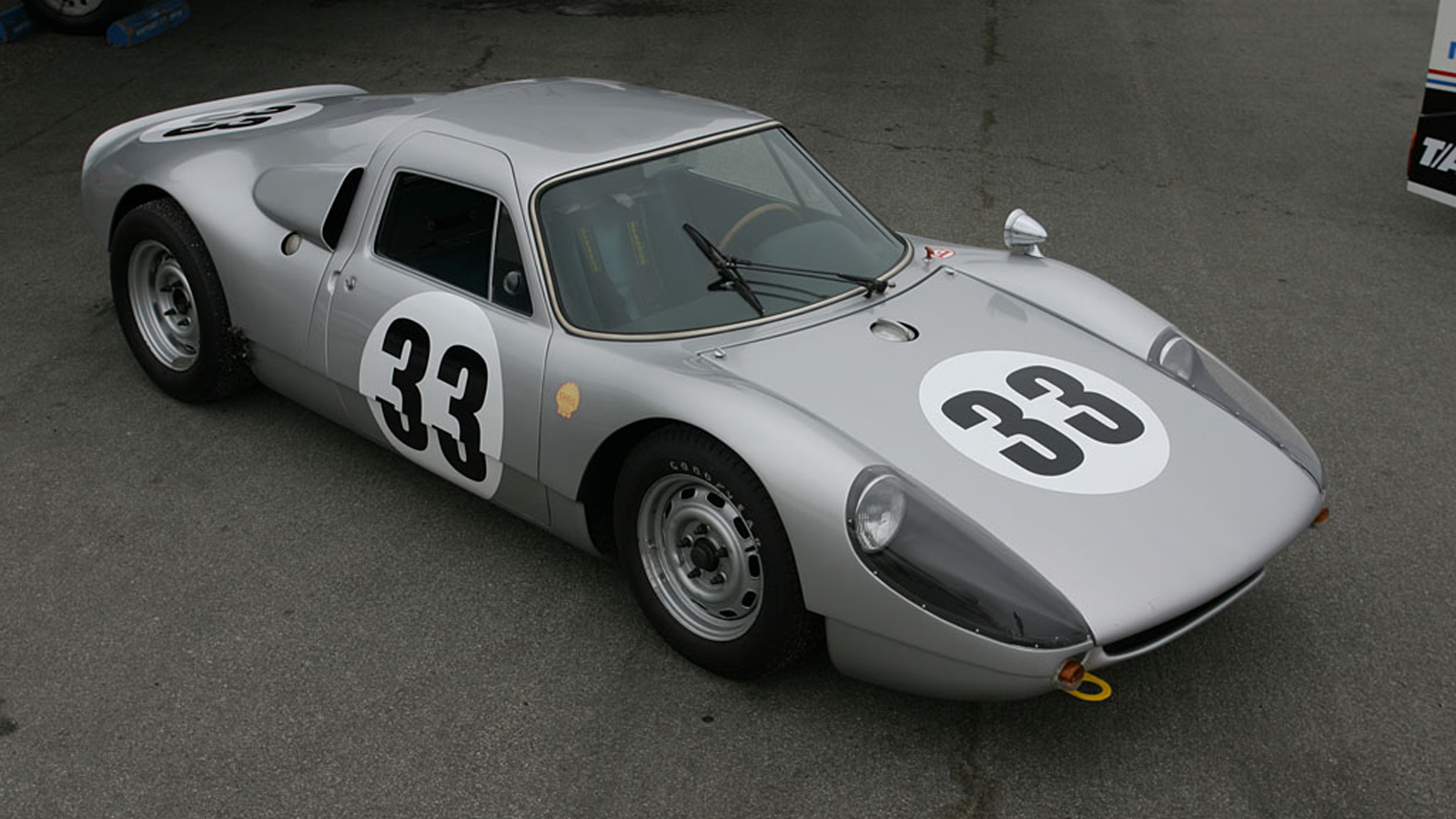
4. Porsche 904 Carrera GTS (1964–1965)
Technically pre-911, the 904 arrived right at the edge of Porsche’s transition era. Its fiberglass body over a steel ladder frame kept weight under 1,400 pounds, while engine options ranged from flat-four to flat-six. It previewed Porsche’s future, mid-engine balance, clean aerodynamics, and road-legal race cars built for homologation.
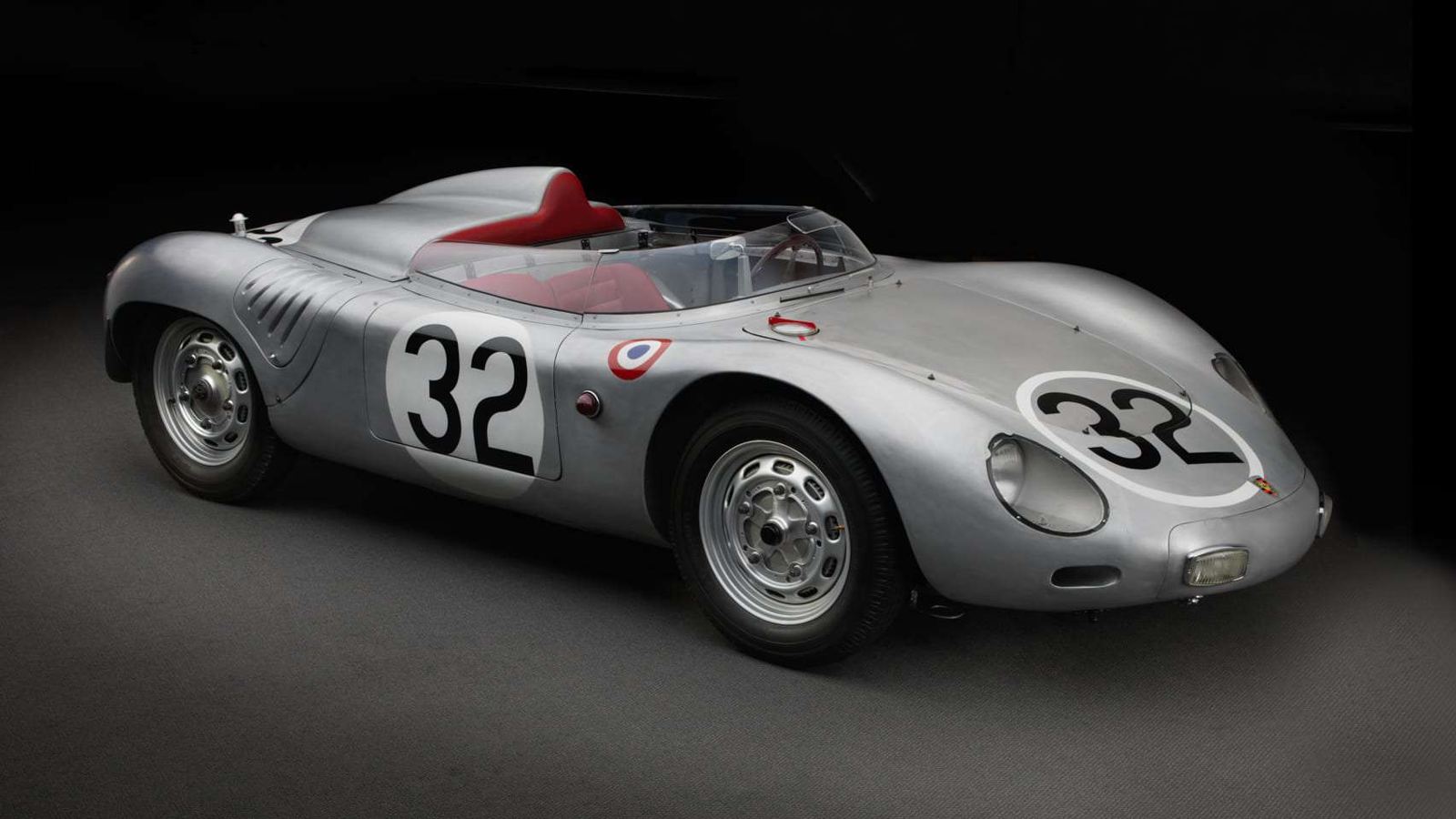
3. Porsche 718 RSK (1957–1962)
Built almost exclusively for racing, the 718 refined the 550’s formula with better suspension geometry, lighter construction, and more power. It competed successfully in endurance races, hill climbs, and Formula 2. The 718 established Porsche as a serious international racing force, not just a clever underdog.
2. Porsche 356 Carrera (1955–1965)
While standard 356s were charming sports cars, the Carrera variants were something else entirely. Powered by Ernst Fuhrmann’s complex four-cam engine, output climbed to around 130 hp in a car that barely cracked 2,000 pounds. The Carrera showed Porsche’s willingness to prioritize engineering purity over cost or simplicity, sometimes to its own detriment.
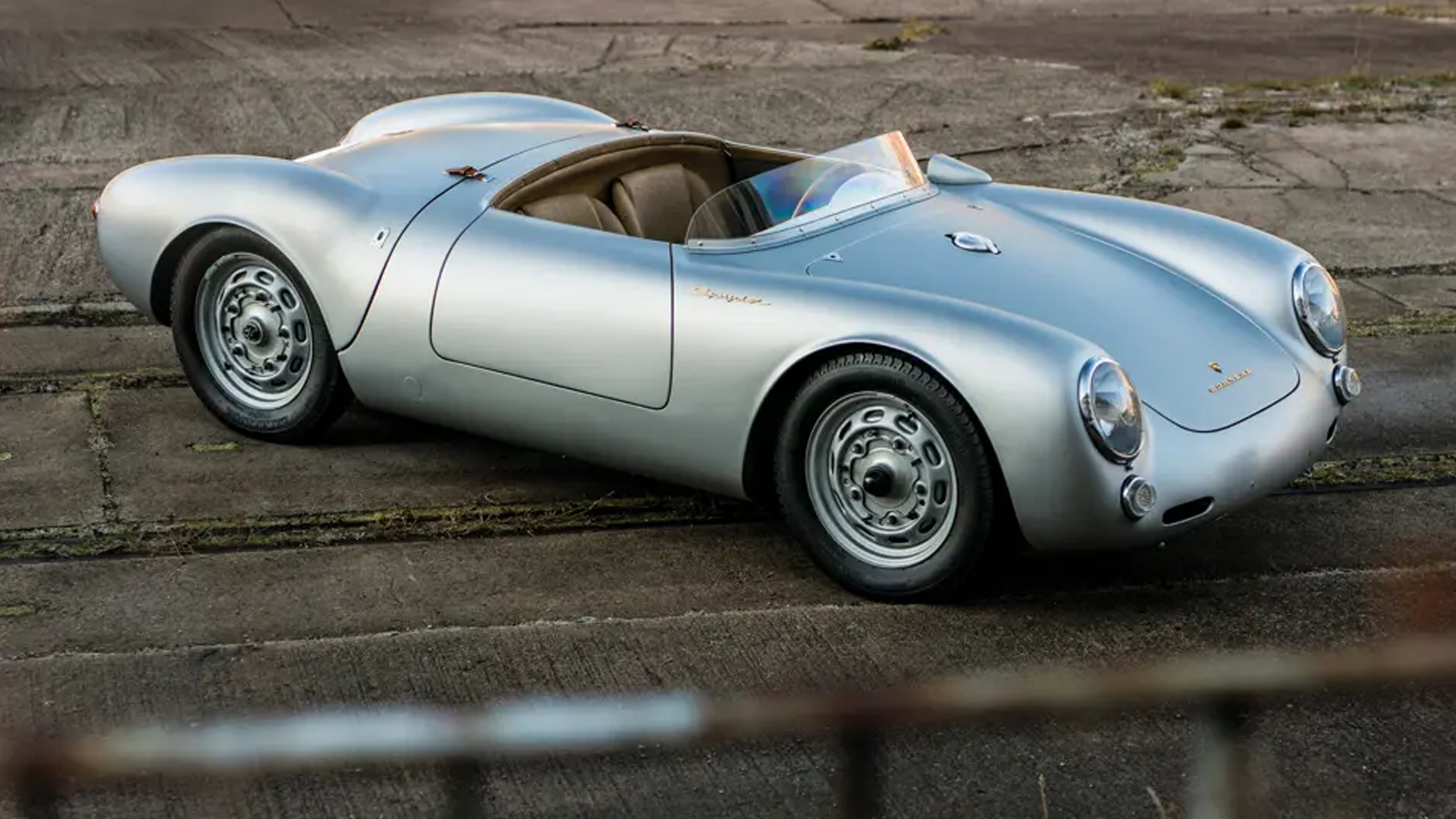
1. Porsche 550 Spyder (1953–1956)
The car that permanently linked Porsche with giant-killing motorsport success. Weighing roughly 1,200 pounds and powered by a mid-mounted 1.5-liter flat-four making up to 135 hp, the 550 wasn’t fast on paper, but it didn’t need to be. This was Porsche’s first true race car for the road, establishing the mid-engine layout and motorsport-first philosophy that still defines the brand.
Why the 911 Wasn’t Inevitable
The 911 didn’t emerge from nowhere; it was built on lessons learned from cars that prioritized light weight, balance, and racing relevance over raw power. Without the 356’s evolution, the 550’s layout, and the 718’s motorsport success, the 911 likely wouldn’t have survived its early criticism.
The irony? Many of these pre-911 cars align more closely with Porsche’s modern ethos than some later models ever did.